Your customers install your SDK from GitHub Packages.
It works for the first few customers. Then one leaves, or a new one's security team asks how access works.
GitHub Packages

CloudRepo
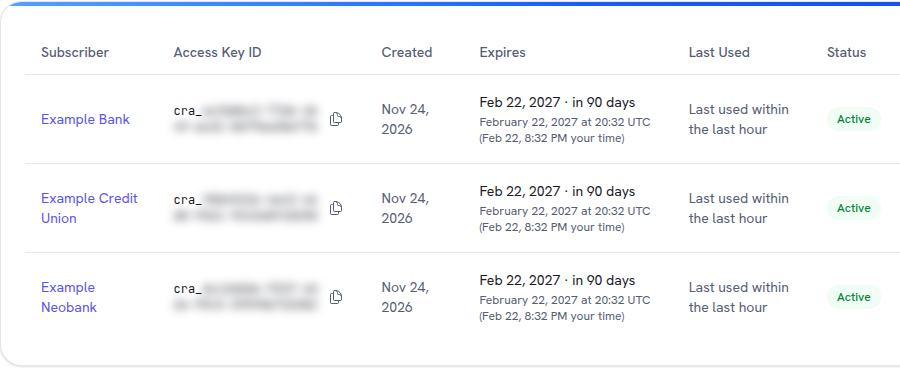
Each customer gets their own read-only key. No GitHub account, no classic token.
When a customer leaves, revoke their key. It stops working at once, and every other customer's key keeps working.
14 days free. No credit card required.
What you and your customers go through today
- For your customers, classic tokens only. “GitHub Packages only supports authentication using a personal access token (classic).” Gradle registry
- A token even for a public package. “You need an access token to publish, install, and delete private, internal, and public packages.” Gradle registry
- A seat for each outside reader. “Unless you are on a free plan, adding an outside collaborator to a private repository will use one of your paid licenses.” Outside collaborators
In GitHub's own words, read on .
GitHub Packages wasn't built for handing an SDK to customers.
The CloudRepo way
Publish your SDK to a private Maven repository in CloudRepo.
Issue each customer their own key
Add each customer as a subscriber, and put them in a subscriber group that can read that repository. A key has read-only access to the repositories its groups grant.
Issue each customer their own key, with the expiry you pick: 90, 180 or 365 days, a date you pick, or never.

What your customer adds to Gradle
Your customer adds the key to Gradle. No GitHub account, no classic token. They keep building the way they do now; only the repository address and the key are new.
The key goes in their Gradle home, ~/.gradle/gradle.properties, so it never sits in a file they commit:
cloudrepoUsername=ACCESS-KEY-IDcloudrepoPassword=YOUR-SECRETThey keep that file private:
chmod 600 ~/.gradle/gradle.propertiesAnd an Android Studio project lists the repository in settings.gradle.kts:
dependencyResolutionManagement { repositoriesMode.set(RepositoriesMode.FAIL_ON_PROJECT_REPOS) repositories { google() mavenCentral() maven { url = uri("https://your-org.mycloudrepo.io/repositories/your-sdk") credentials { username = providers.gradleProperty("cloudrepoUsername").get() password = providers.gradleProperty("cloudrepoPassword").get() } } }}The dependency goes in the app module the usual way, for example implementation("com.example:your-sdk:1.0.0").
It's fully managed. No servers to run and nothing to upgrade: we run it for you. And your own team gets unlimited users, no per-seat pricing.
More detail: CloudRepo vs GitHub Packages and Software Distribution.
Try it with your own SDK.
Publish one release, issue one key, and pull it the way your customer will.
14 days free. No credit card required.

Founder-run since 2016, with no venture capital. A real person answers within one business day. Usually it's me.
Chris, founder of CloudRepo